
In today’s fast-moving digital world, businesses must innovate quickly to stay competitive. Yet, many organizations still rely on legacy systems—outdated software or infrastructure that cannot easily integrate with modern applications. Instead of replacing these expensive, business-critical systems, companies are increasingly choosing Legacy Systems Integration to modernize efficiently, cut costs, and accelerate digital transformation.
This guide explains what legacy systems integration is, why it matters, how it works, and how modern businesses can transform without rebuilding their entire technology stack.
⭐ What Is Legacy Systems Integration?
Legacy Systems Integration is the process of connecting old, outdated software or hardware with new, modern technologies. Instead of replacing existing systems, integration allows organizations to:
- Improve efficiency
- Automate workflows
- Reduce operational costs
- Enable real-time data flow
- Extend the lifespan of legacy applications
This approach ensures businesses can continue using their core systems while adopting modern solutions like cloud-based platforms, AI automation, APIs, and microservices.
⭐ Why Legacy Systems Still Exist in Modern Businesses
Many enterprises continue relying on legacy applications because:
- They are mission-critical
- Replacement is risky and expensive
- They store years of valuable business data
- Custom-built functions cannot be easily replicated
- New systems often require long migration timelines
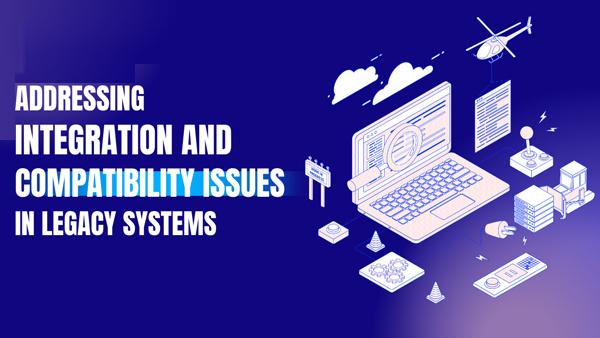
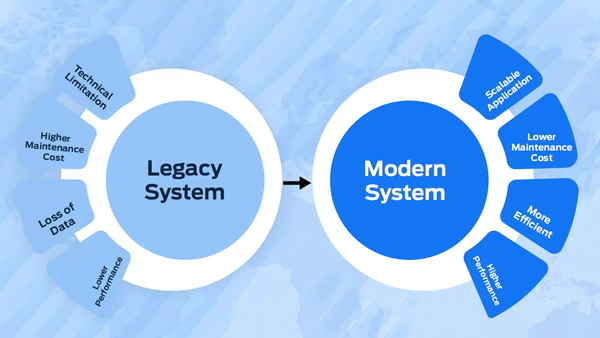
However, as customer expectations evolve and competitors digitize, relying solely on outdated systems can limit growth. This is where integration becomes the smarter choice.
⭐ Why Legacy Systems Integration Matters Today
Modern businesses choose integration instead of full system replacement because it provides:
👉 Cost-Effective Modernization
Replacing a legacy system can cost millions. Integration allows companies to modernize at a fraction of the cost.
👉 Lower Risk & Faster Transformation
Instead of disrupting existing systems, integration enhances them—making digital transformation smoother and safer.
👉 Real-Time Data Connectivity
Integration ensures consistent data flow between platforms, improving insights, reporting, and decision-making.
👉 Better Customer Experience
By connecting modern applications to legacy systems, organizations can offer faster services, automation, and personalization.
👉 Scalability for Future Growth
Integration supports cloud adoption, API connectivity, and advanced analytics without system shutdowns.
⭐ How Modern Businesses Integrate Legacy Systems
To successfully integrate legacy systems, organizations typically use one or more of the following approaches:
🔹 1. API Integration
APIs help connect old systems with new applications, enabling seamless data flow without rewriting entire codebases.
🔹 2. Middleware Platforms
Middleware acts as a communication layer between legacy systems and modern apps, reducing complexity.
🔹 3. Microservices Architecture
Breaking monolithic systems into smaller services increases flexibility, scalability, and speed.
🔹 4. Robotic Process Automation (RPA)
RPA bots integrate with legacy systems to automate repetitive tasks and improve workflows.
🔹 5. Cloud Integration
Cloud connectors allow businesses to extend legacy apps to cloud platforms without migration risks.
Each integration method depends on a company’s existing infrastructure, business goals, and security requirements.
⭐ Key Benefits of Legacy Systems Integration
When done correctly, integration can deliver:
✔️ Reduced IT expenses
No need for full system replacement.
✔️ Improved operational efficiency
Faster processes, better workflows, and fewer manual tasks.
✔️ Enhanced data accuracy
Integrated systems reduce duplication and errors.
✔️ Increased agility
Businesses can adopt new technologies without delays.
✔️ Stronger security
Modern security layers can be added on top of legacy systems.
✔️ Faster digital transformation
Integration accelerates modernization without disruptions.
⭐ Challenges Businesses Face with Legacy Integration (and How to Solve Them)
Although integration provides many advantages, companies may encounter:
⚠️ 1. Compatibility Issues
Legacy systems often lack integration capabilities.
Solution: Use APIs, middleware, or custom connectors.
⚠️ 2. Security Risks
Outdated systems may not support modern security.
Solution: Implement encryption, IAM, and robust cybersecurity layers.
⚠️ 3. Data Silos
Legacy platforms may store data in isolated formats.
Solution: Use real-time data mapping and synchronization tools.
⚠️ 4. High Complexity
Some legacy architectures are not well documented.
Solution: Conduct thorough system analysis and phased integration.
PMDG Technologies specializes in solving these challenges with modern integration frameworks, ensuring smooth and secure modernization.
⭐ How PMDG Technologies Helps You Integrate Legacy Systems
At PMDG Technologies, we deliver future-ready integration solutions that help businesses modernize without replacing their existing systems.
Our expertise includes:
- API development & integration
- Cloud enablement
- AI-powered automation
- RPA process modernization
- Real-time data mapping
- System interoperability solutions
With our enterprise integration approach, you can keep what works and upgrade what doesn’t — instantly improving productivity, performance, and scalability.
⭐ Real-World Transformation: Why Businesses Choose Integration Over Replacement
Most businesses now prefer integration because:
- Replacement takes years
- Integration takes weeks or months
- Costs are significantly lower
- Zero downtime is required
- Customer services remain uninterrupted
Integration provides the fastest, safest, and smartest way to evolve without breaking existing workflows.
⭐ Future Trends in Legacy System Integration
As technology evolves, integration will rely more on:
- AI-driven automation
- Machine learning–based data mapping
- Cloud-native integration
- Serverless architecture
- Low-code / no-code connectors
- Hyperautomation
These advancements help businesses stay competitive while ensuring their core systems remain stable and functional.
⭐ Conclusion: Transform Without Starting From Scratch
Legacy Systems Integration empowers businesses to modernize quickly, improve efficiency, and stay ahead of competitors—without replacing mission-critical systems.
By integrating legacy applications with modern solutions, companies can:
✔️ Unlock new capabilities
✔️ Accelerate digital transformation
✔️ Improve customer experience
✔️ Boost performance and scalability
✔️ Reduce long-term IT costs
This approach is not just smart—it’s essential for future-ready business success.
⭐ Want to Modernize Your Legacy Systems?
PMDG Technologies helps organizations integrate legacy systems with modern apps, cloud platforms, AI tools, and automation frameworks—quickly, securely, and cost-effectively.
👉 Visit: https://www.pmdgtech.com
Get a consultation : Click Here






Leave a Reply